
When to Replace Your Car Brakes: Warning Signs You Can’t Ignore
Your car’s braking system is one of the most critical safety features on your vehicle, yet many drivers overlook its maintenance until problems become serious. Knowing when to replace your car brakes can mean the difference between a safe stop and a dangerous accident. As a responsible car owner, it’s essential to recognize the warning signs that indicate your brakes need attention.
The Importance of Regular Brake Maintenance
Before we dive into the warning signs, let’s understand why brake maintenance matters so much. Your brakes work hard every single day, enduring friction, heat, and constant pressure to keep you and your passengers safe. Over time, brake pads wear down, rotors can become damaged, and brake fluid may degrade. Ignoring these issues doesn’t just put your safety at risk—it can lead to expensive repairs and significantly reduce your vehicle’s resale value.
Most brake pads are designed to last between 25,000 and 70,000 miles, depending on your driving habits and vehicle type. However, this is just a general guideline. The actual lifespan of your brakes depends on numerous factors, including how aggressively you brake, driving conditions, and the quality of your brake components.
Key Warning Signs Your Brakes Need Replacement
1. Squeaking or Squealing Noises
One of the earliest warning signs that your brakes need attention is a high-pitched squeaking or squealing sound when you apply the brakes. This noise typically comes from a small metal tab called a brake wear indicator, which is designed to make contact with the rotor when your brake pads have worn down to a certain level. Think of it as your vehicle’s way of telling you it’s time for maintenance.
While squeaking doesn’t always mean immediate danger, it’s a clear signal that you should have your brakes inspected soon. Some drivers ignore this sound for weeks or even months, which can lead to more serious damage and costlier repairs.
2. Grinding Sounds
Grinding noises are far more serious than squeaking. If you hear a metallic grinding sound when braking, it typically means your brake pads have worn completely through, and metal is now grinding directly against metal. This is a dangerous situation that demands immediate attention. Continuing to drive with this problem can damage your rotors, which will significantly increase repair costs.
If you experience grinding sounds, make an appointment with a qualified mechanic as soon as possible. This is not something you should delay.
3. Soft or Spongy Brake Pedal
Does your brake pedal feel softer than usual or require more pressure to stop your vehicle? This could indicate air in your brake lines or a problem with your brake fluid. A soft pedal suggests your brakes may not have the hydraulic pressure needed to stop effectively, which is a serious safety concern.
This problem typically requires professional attention, as it involves your brake system’s hydraulic components. Brake fluid should be replaced periodically according to your vehicle manufacturer’s recommendations, usually every two to three years.
4. Brake Pedal Goes to the Floor
If your brake pedal sinks all the way to the floor without providing resistance, you have a critical problem that requires immediate attention. This could indicate a complete loss of hydraulic pressure, a brake fluid leak, or worn brake pads. Do not continue driving your vehicle—have it towed to a repair facility instead. This is a safety hazard that could result in complete brake failure.
5. Vibration or Pulsation in the Brake Pedal
When you apply the brakes and feel a vibrating or pulsating sensation in the pedal, it often indicates warped rotors. Rotors can become warped due to excessive heat, aggressive braking, or simply from normal wear and tear. While this warning sign might not indicate an emergency, it does mean your brakes are not functioning optimally and should be serviced soon.
Warped rotors typically need to be resurfaced or replaced, depending on their condition. Addressing this issue promptly prevents further damage to your braking system.
6. Reduced Stopping Power
If you notice that your vehicle takes longer to stop than it used to, or if you need to press the brake pedal harder to achieve the same stopping power, your brakes are definitely showing signs of wear. Reduced stopping power is a serious safety issue that requires immediate professional inspection.
7. Brake Fluid Leaks
Check underneath your vehicle regularly for fluid leaks. Brake fluid is typically clear to light amber in color. If you notice brake fluid leaking, your braking system won’t function properly, as it relies on fluid pressure to operate. Have your vehicle inspected and repaired immediately.
Additional Factors Affecting Brake Life
Several factors can influence how quickly your brakes wear out. If you frequently drive in stop-and-go traffic, tow heavy trailers, or live in hilly or mountainous terrain, your brakes will likely wear faster than average. Aggressive driving habits also accelerate brake wear significantly.
Conversely, if you primarily drive on highways with gentle braking, your brakes may last longer. Regular maintenance, including brake inspections during routine service appointments, can help extend their lifespan.
What to Expect During Brake Service
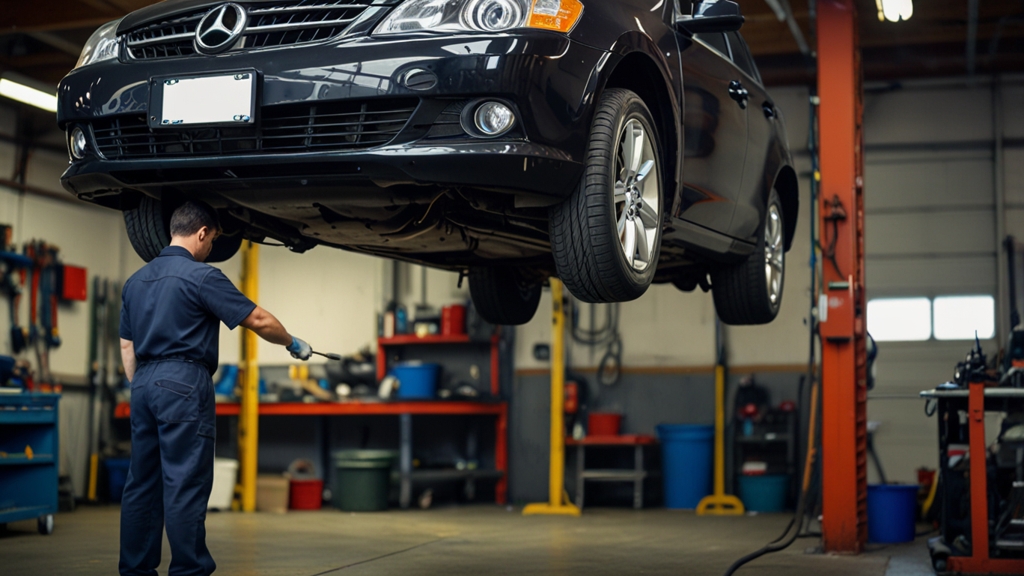
When you take your vehicle to a qualified mechanic for brake service, they will inspect your brake pads, rotors, calipers, and brake fluid. They’ll measure brake pad thickness and assess the condition of your rotors. Based on their findings, they may recommend pad replacement, rotor resurfacing or replacement, or complete brake system service.
For detailed information about brake maintenance and safety standards, consult resources like Motor Trend, which provides comprehensive automotive guidance.
Stay Safe on the Road
Your brakes are critical to your safety and the safety of everyone sharing the road with you. By recognizing these warning signs and addressing brake issues promptly, you can maintain reliable stopping power and avoid costly repairs. Don’t ignore squeaking, grinding, or changes in brake feel. Schedule regular brake inspections, especially if you notice any of these warning signs. Remember, the cost of preventive brake maintenance is far less than the cost of emergency repairs or the consequences of brake failure. Drive safely and keep your brakes in top condition.