
Electric Car Tax Credits and Incentives 2025: Your Complete Guide to Saving Big on EV Purchases
The electric vehicle revolution is here, and if you’re considering making the jump to an EV, there’s never been a better time financially. The landscape of tax credits and incentives for electric vehicles in 2025 is more robust than ever, offering substantial savings for both new and used EV buyers. Whether you’re a first-time EV shopper or a seasoned automotive enthusiast looking to go green, understanding these financial incentives is crucial to making an informed purchasing decision.
Federal Tax Credits: The Big Picture
The cornerstone of EV incentives remains the federal tax credit, which continues to evolve in 2025. The current structure allows eligible buyers to claim up to $7,500 on a new electric vehicle purchase, though the actual amount depends on several factors. This isn’t a rebate that reduces your purchase price at the dealership—it’s a tax credit you claim when filing your federal income tax return, though point-of-sale options are becoming increasingly available.
It’s important to understand that not all electric vehicles qualify for the full $7,500 credit. The credit is tiered based on vehicle price, battery component sourcing, and assembly location. Vehicles with final assembly in North America are generally more favorable, while those with significant battery components sourced from China or other restricted countries may see reduced credits. Additionally, there are income caps and manufacturer price limits that determine eligibility. For 2025, new vehicles must have a manufacturer’s suggested retail price below certain thresholds to qualify, so always verify your specific vehicle’s eligibility before purchase.
New vs. Used EV Incentives
While new electric vehicles grab most of the headlines, don’t overlook used EV credits. The used electric vehicle credit allows you to claim up to $4,000 when purchasing a qualifying used EV that’s at least two years old. The used vehicle must cost less than $25,000, and household income limits apply—$55,000 for single filers and up to $111,000 for joint filers. This is excellent news for budget-conscious buyers looking to go electric without the depreciation hit of a new vehicle.
The used EV market is particularly attractive in 2025 because earlier generations of electric vehicles now fall into this category, offering excellent technology at lower price points. Models like used Tesla Model 3s, Nissan Leafs, and Chevy Bolts can be found well under the price caps, making them prime candidates for this incentive.
State and Local Incentives
Beyond federal credits, many states have implemented their own electric vehicle incentives that can stack with federal benefits. California, New York, Colorado, and several other progressive states offer additional rebates, tax credits, or purchase grants. Some states provide rebates of $2,000 to $5,000 on top of federal credits, dramatically increasing your total savings.
For example, certain states offer HOV lane access for EVs, which isn’t a direct financial incentive but provides significant practical benefits. Other states eliminate vehicle registration fees for electric vehicles or offer insurance discounts. Research your specific state’s offerings—the difference between state incentives can be substantial and shouldn’t be overlooked during your purchasing decision.
Utility Rebates and Charging Infrastructure Incentives
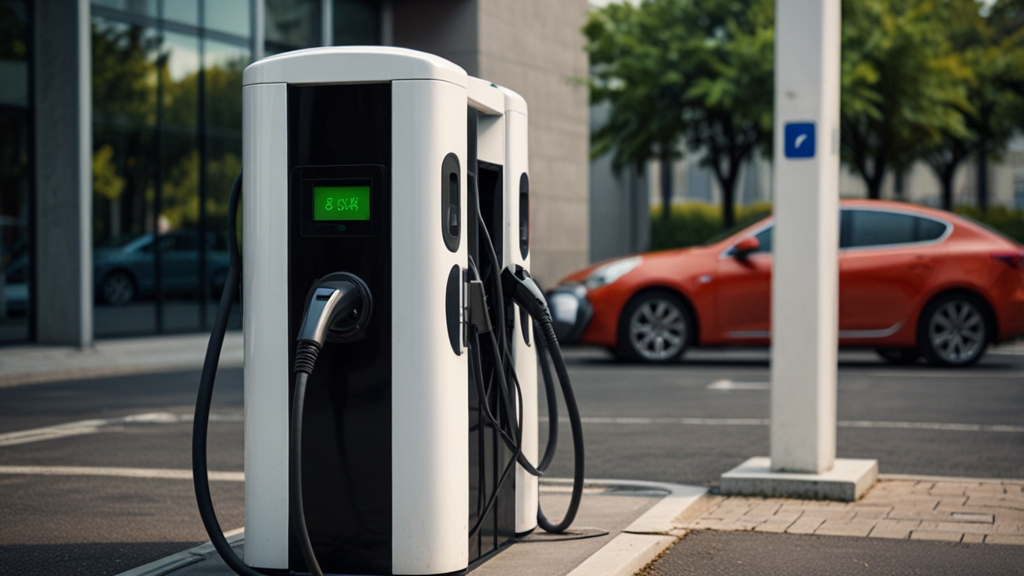
Many utility companies recognize the value in promoting electric vehicle adoption and offer rebates for home charging installation. These programs can cover 50% to 100% of the cost of installing a Level 2 home charger, which typically costs between $500 and $2,000. Some utilities even provide ongoing credits on your electricity bill if you charge during off-peak hours, effectively reducing your fuel costs further.
Additionally, federal infrastructure grants continue to support public charging networks, which indirectly benefits EV owners by increasing charging availability. Some regions offer incentives specifically for installing workplace or multi-unit dwelling chargers, making EV ownership more practical for apartment dwellers and those without dedicated parking.
Manufacturer Incentives and Dealer Offers
Don’t forget about manufacturer-specific incentives. Many automakers offer their own rebates or financing incentives to move inventory, especially for less popular color combinations or configurations. These can range from $500 to several thousand dollars and often stack with federal and state credits. Always ask your dealer about current manufacturer incentives—they may not be advertised prominently but can significantly impact your final price.
Some manufacturers offer lease programs with exceptional incentives, particularly for vehicles with slower sales. If you’re not ready to commit to ownership or concerned about battery degradation, a lease might provide excellent value, especially when combined with manufacturer incentives and federal tax credits that reduce your effective monthly payments.
Practical Tips for Maximizing Your Savings
- Check vehicle eligibility early: Before falling in love with a specific EV, verify it qualifies for the full federal credit. Manufacturer websites and the IRS website provide detailed guidance on current qualifying vehicles.
- Consider your tax situation: Tax credits are most valuable if you have sufficient tax liability to claim them. If you don’t owe federal taxes, the credit may be wasted. However, 2025 rules allow some credits to be carried forward.
- Time your purchase strategically: End-of-month or end-of-quarter purchases sometimes offer better dealer incentives. Combine this with seasonal incentives for maximum savings.
- Factor in charging costs: Calculate your savings by comparing electricity costs to gasoline. EV charging is typically 60-70% cheaper than gas, creating additional long-term savings beyond the initial tax credit.
- Research point-of-sale options: An increasing number of dealerships can process tax credits at purchase, meaning you don’t wait until tax time to realize your savings.
- Don’t ignore used market opportunities: Used EVs with the $4,000 credit often provide exceptional value, especially two to four-year-old models with significant battery capacity remaining.
Looking Ahead
The EV incentive landscape continues to evolve, with policy discussions ongoing regarding future credit structures and funding levels. To stay informed about the latest updates and specific eligibility requirements, the official government resources provide comprehensive, regularly updated information on federal tax credits.
Taking advantage of 2025’s electric vehicle tax credits and incentives is a smart financial move for automotive enthusiasts looking to embrace sustainable technology. Whether you’re drawn to EVs for environmental reasons, lower operating costs, or pure driving excitement, these incentives make the transition more accessible than ever. Do your research, understand your eligibility, and maximize every available incentive to make your EV purchase as rewarding as possible.