
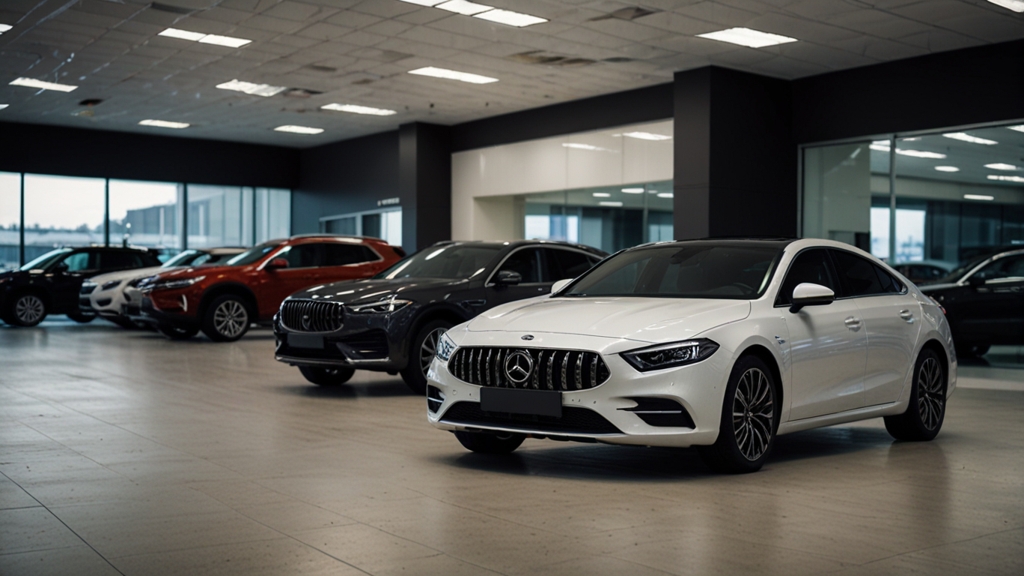
How to Inspect a Used Car Before Buying: A Complete Guide
Purchasing a used car can be an exciting yet nerve-wracking experience. Whether you’re a seasoned car enthusiast or a first-time buyer, knowing how to properly inspect a vehicle before making the purchase is crucial. A thorough inspection can save you thousands of dollars in unexpected repairs and help you avoid buying a lemon. In this guide, we’ll walk you through the essential steps to evaluate a used car’s condition like a pro.
Start with the Exterior Inspection
The first impression matters, and the exterior of the vehicle tells a lot about its history. Begin your inspection in daylight and walk around the entire car slowly. Look for signs of rust, dents, scratches, and mismatched paint, which could indicate previous accidents or poor maintenance. Pay special attention to areas around the wheel wells, undercarriage, and door edges where rust commonly develops.
Check all the lights, including headlights, taillights, brake lights, and turn signals. Make sure they function properly. Examine the tires for uneven wear patterns, which might suggest alignment issues or suspension problems. Measure the tire tread depth using a penny test—insert a penny into the grooves with Lincoln’s head facing down. If you can see the top of his head, the tread is too shallow.
Examine the Windows and Mirrors
Test all windows to ensure they roll up and down smoothly. Look for cracks or chips in the windshield and side windows. Check that all mirrors adjust properly and aren’t cracked. These may seem like minor details, but replacing windows and mirrors can be costly repairs that should be factored into your decision.
Inspect Under the Hood
Open the hood and examine the engine bay. The engine should look relatively clean—excessive dirt and grime might indicate poor maintenance or leaks. Check all fluid levels: engine oil, coolant, transmission fluid, and brake fluid. The oil should be a clear amber color; if it’s dark brown or black, it might not have been changed regularly.
Look for fluid leaks around the engine, transmission, and radiator. Minor seeping is normal on older vehicles, but puddles underneath are cause for concern. Examine hoses and belts for cracks, fraying, or signs of wear. Check the battery terminals for corrosion and ensure the battery is secure. Don’t forget to inspect the windshield washer fluid level and top it off if needed.
Assess the Interior Condition
Sit in the driver’s seat and test all controls. Adjust the seat forward and backward, up and down. Check that the steering wheel adjusts both up/down and in/out. Test the air conditioning and heating systems to ensure they work properly on all settings. A non-functional AC system can cost $1,000 or more to repair.
Examine the upholstery for stains, tears, or excessive wear. Look at the dashboard for cracks or damage. Test all electrical components: power windows, power locks, sunroof (if equipped), and the infotainment system. Check that all door locks function from both the inside and outside. Open and close all doors smoothly and listen for any unusual sounds.
Test Drive Essentials
The test drive is your opportunity to experience how the vehicle actually performs. Start the engine and listen for rough idling or unusual sounds. Pay attention to how the car accelerates and whether there’s any hesitation. Test the brakes at various speeds—they should be responsive and bring the car to a smooth stop without vibration or pulling to one side.
Check the steering for excessive play or wandering. Drive on different road surfaces to evaluate the suspension and listen for clunking or squeaking noises. Test the transmission by smoothly accelerating and decelerating. If the vehicle has an automatic transmission, it should shift smoothly between gears. Manual transmissions should engage smoothly without grinding or slipping.
Find a safe location to test the parking brake. Listen carefully for any unusual noises coming from the engine, transmission, brakes, or suspension during the entire drive. These sounds can indicate problems that might be expensive to fix.
Check the Vehicle History Report
Before making any final decisions, obtain a vehicle history report from services like Edmunds or similar platforms. This report will show you important information about previous accidents, title issues, service records, and ownership history. A clean history report is always a positive sign, though private sellers may not have complete records.
Hire a Professional Mechanic
For used vehicles, especially those with higher mileage, hiring a pre-purchase inspection from a trusted mechanic is one of the smartest investments you can make. A professional can identify hidden issues that an untrained eye might miss. The inspection typically costs between $100-$200 but could save you thousands in unexpected repairs.
Red Flags to Watch For
- Multiple owners in a short period of time
- Mismatched paint or body panels indicating accidents
- Strong odors of mold, chemicals, or smoke
- Transmission slipping or harsh shifting
- Brake pedal that feels soft or goes to the floor
- Engine overheating or warning lights on the dashboard
- Title issues or salvage titles
- Excessive oil consumption or leaks
Final Thoughts
Taking the time to thoroughly inspect a used car before purchasing is essential for making a smart buying decision. While this process might take a few hours, it’s well worth the effort to ensure you’re getting a reliable vehicle that will serve you well for years to come. Don’t rush the inspection, and trust your instincts—if something doesn’t feel right, it probably isn’t. With patience and diligence, you’ll find the perfect used car that meets both your needs and budget.